Business Name: FootPrints Home Care
Address: 4811 Hardware Dr NE d1, Albuquerque, NM 87109
Phone: (505) 828-3918
FootPrints Home Care
FootPrints Home Care offers in-home senior care including assistance with activities of daily living, meal preparation and light housekeeping, companion care and more. We offer a no-charge in-home assessment to design care for the client to age in place. FootPrints offers senior home care in the greater Albuquerque region as well as the Santa Fe/Los Alamos area.
4811 Hardware Dr NE d1, Albuquerque, NM 87109
Business Hours
Monday thru Sunday: 24 Hours
Facebook: https://www.facebook.com/FootPrintsHomeCare/
Instagram: https://www.instagram.com/footprintshomecare/
LinkedIn: https://www.linkedin.com/company/footprints-home-care
Families typically begin inquiring about home care after a fall, a medical facility discharge, or a peaceful moment when day-to-day tasks begin to slip. I've sat at kitchen tables with boys and children who feel the capture in between work, their own kids, and a moms and dad who all of a sudden needs more aid. The choices aren't always obvious, and the language around home care services can seem like alphabet soup. Fortunately is that there's a spectrum of assistance, from a couple of hours a week of light assistance to 24-hour scientific care, and a lot in between. The best fit depends upon goals, security, budget plan, and the senior's preferences.
This guide strolls through the main kinds of home care for elders, how they vary, what they cost in the real world, and how to choose what level of support makes good sense. I'll fold in the practical information that families often don't hear till they're already paying for services, in addition to a couple of stories that illustrate edge cases.
What "home care" really means
Home care, often called at home care, covers non-medical assistance that helps an individual live securely and easily at home. That can be a caregiver who comes in to prepare meals, help with bathing, handle laundry, supply trips, or just sit with someone who shouldn't be alone for long stretches. It differs from home healthcare, which is medical and delivered by clinicians under a doctor's orders, such as injury care, physical treatment, or medication injections.
Many households need both: home health for a couple of weeks after a surgical treatment or hospitalization, plus ongoing home care for day-to-day living. You can blend and match suppliers, and in lots of markets an agency provides both under various licenses, but you ought to expect separate assessments and billing.
Personal care and friendship: the backbone of everyday support
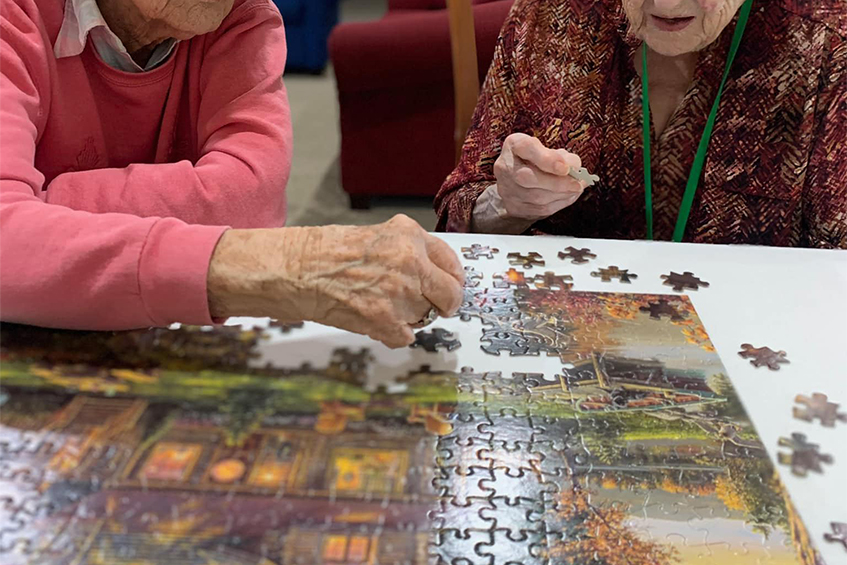
The most common form of at home senior care is personal care, sometimes paired with companionship services. Personal care covers hands-on support with activities of daily living: bathing, dressing, grooming, toileting, and transfers from bed to chair. Friendship is lighter touch but still crucial, particularly for senior citizens who live alone. That might suggest conversation, strolls, checking out aloud, puzzles, simple meal preparation, and help staying socially engaged.
A daughter in my caseload, let's call her Maya, began with a buddy aide for her father three afternoons a week. He was lonely after his better half died, wasn't eating well, and his blood pressure crept upward. The caretaker cooked a hot lunch, inspected his pillbox, took him to the barbershop, and played cribbage. His appetite returned, and his medical professional stopped discussing adding a brand-new medication. That's the quiet impact of well-matched companionship.
From a firm perspective, this work is frequently performed by qualified nursing assistants or home health aides. Separately hired caregivers might have comparable experience without official certification. The secret is training in safe transfers, bathing, and acknowledging changes that merit a call to the nurse or family.
Scheduling generally starts at a 3- to four-hour minimum per visit, then scales up. Some families prefer shorter everyday check outs to hint medications and meals, others prefer longer blocks to take on errands and house cleaning. Costs vary by area and whether you use a company or employ privately. Consider a common range of 25 to 40 dollars per hour through a firm in lots of metro areas, often less in rural areas. Private hires may be 5 to 10 dollars lower per hour, however you assume the threats and responsibilities of an employer.
Homemaker services: the safeguard under the routine
Homemaker services concentrate on tasks that keep the home functional and safe: laundry, bed linens, dishes, light cleaning, grocery shopping, and basic meal prep. While it sounds secondary, constant housewife support decreases fall dangers and infections more than lots of people recognize. Messy hallways, soap residue in the shower, and expired food are classic hazards.
Insurance seldom covers housewife services by themselves. But when coupled with personal care, they can be the distinction in between a senior staying at home or moving to assisted living. If your loved one states they can manage "whatever however the heavy tasks," I take that as an indication to look carefully at laundry, vacuuming, and meal prep on a routine cadence.
Respite care: oxygen for family caregivers
Caregiving burns people out in unnoticeable methods. Respite care offers family caregivers set up breaks to rest, deal with appointments, or take a weekend away without worrying. You can reserve respite through a home care company for a few hours, overnight, and even live-in protection for short durations. Some Location Agencies on Aging and disease-specific nonprofits use coupons or grants that can fund a minimal variety of respite hours each year. Households who accept respite early tend to preserve home care longer because they don't reach a crisis point.
One son I worked with refused respite, insisting he could manage his mother's nighttime wandering by napping during the day. After 2 months he dozed off while cooking, burnt a pan, and finally called for assistance. He now uses 2 overnight respite shifts a week, sleeps through the night, and their days run smoother. Pride is easy to understand, however sleep is non-negotiable.
Live-in care and 24-hour protection: extreme assistance at home
When a senior needs constant supervision or frequent help, you may hear "live-in care" and "24-hour care" utilized interchangeably, however they are different.
Live-in care implies a caretaker remains in the home for a 24-hour duration, normally for several days at a time, and receives a defined sleep period. The caretaker needs a private sleeping area and expects downtime when the client sleeps. It's more budget-friendly on a per-day basis than turning shifts, but it just works if the client dependably sleeps at night and does not need continuous care.
Twenty-four-hour care implies 2 or three caretakers rotate 8 to twelve-hour shifts so somebody is awake and working around the clock. This is the best model for dementia with nighttime roaming, late-stage Parkinson's, or a frail senior at high risk for falls at any time of day. It is considerably more expensive and logistically complex, but much safer when continuous tracking is essential.
Costs differ commonly, FootPrints Home Care in-home care but ballpark numbers help preparation. Live-in care through a firm might run 300 to 500 dollars daily in lots of markets, in some cases more if heavy care is required. Ongoing awake care can exceed 15,000 dollars per month. Households in some cases combine methods, such as day shifts plus innovation over night if security dangers are low. It's not best, but it can bridge a monetary gap.
Home healthcare: clinical services under a doctor's orders
Home health is medical and normally short-term. After a surgical treatment, stroke, or hospitalization, a physician might order sees from a signed up nurse, a physiotherapist, an occupational therapist, or a speech therapist. A home health assistant might be consisted of for short bathing assistance while objectives are medical. Visits are periodic, commonly one to three times each week per discipline, and Medicare or personal insurance coverage typically covers them if criteria are met.
Think of home health as coaching and treatment with the goal of stabilizing or enhancing a condition, not an alternative to day-to-day assistance. The nurse might examine vitals, manage an injury, and adjust client education on medications. The therapist works on gait training, balance exercises, and safe transfers. When objectives are fulfilled or development plateaus, the episode of care ends. If continuous individual care is required, you shift or layer in non-medical home care services.
Families often expect that a home health assistant will come daily for bathing and house cleaning. That's not how the advantage is structured. Clarify the strategy of care at the start so you can fill the spaces with in-home care if needed.
Palliative and hospice care in your home: convenience, dignity, and support
Palliative care concentrates on sign relief and quality of life at any phase of a serious health problem. Hospice care is palliative take care of those with a diagnosis of months, not years, and a shift in focus from curative treatment to comfort. Both can be provided at home.
A hospice group typically includes a nurse case supervisor, home health assistants for individual care a number of times a week, social work support, pastor services, and access to medications and equipment related to the terminal medical diagnosis. Hospice is not 24/7 bedside care, however it does supply on-call nursing and a structured strategy. Households frequently add personal home care to supplement hospice assistant check outs and cover over night or weekend needs.
Starting palliative services earlier assists with symptom control, advance care preparation, and caretaker education. I have actually seen elders enjoy much better discomfort control and fewer hospitalizations as soon as palliative care actions in, even while continuing certain treatments.
Specialized dementia care: structure and patience over force
Dementia presents special challenges. What looks like stubbornness is typically anxiety, sensory overload, or confusion. A caregiver trained in dementia methods can turn a tense bath into a calm routine by breaking jobs into little actions, using cueing rather than commands, and timing care to the person's natural rhythms.

A mistake I see is throwing more hours at a problem without adapting approach. For a gentleman who declined showers, including a male caretaker who could shave him first, warm the restroom, and hint with familiar music resolved the standoff. For a female who roamed, a much shorter late-afternoon visit with an area walk and a treat reduced sundowning. The right at home senior care has to do with fit as much as volume.
You can ask firms about dementia-specific training. Search for experience with cueing strategies, non-pharmacologic sleep techniques, and safe engagement activities that match the individual's history and interests, not generic busywork.
Rehabilitation therapies in your home: bridging recovery and routine
Physical, occupational, and speech therapy can be provided in the house when leaving the house is tough or when the home environment itself is main to the treatment objectives. Home-based treatment after a fall or joint replacement concentrates on strength, balance, safe transfers, and mobility utilizing the customer's actual furniture, stairs, and restroom. Occupational treatment shines here, suggesting grab bars, raised toilet seats, restructured cooking area designs, and energy preservation techniques that minimize fatigue.
Coverage depends upon medical necessity and physician orders. Medicare frequently covers a specified course of home therapy if requirements are met. When formal treatment ends, an individual fitness instructor with aging-experience or a caretaker trained to perform an upkeep program can assist maintain gains. The handoff matters: a written home exercise strategy, clear safety precautions, and a schedule that fits the senior's stamina.
Private task nursing: complicated care at home
Some seniors need competent nursing beyond standard home health episodes. Private responsibility nursing brings a licensed nurse into the home for longer blocks to handle ventilators, tube feedings, tracheostomies, complex wound care, or regular medication titration. It prevails with neurological conditions, advanced heart failure, or after devastating injuries.
This stands out from a home health nurse who goes to briefly. Personal responsibility nursing is generally paid of pocket or through Medicaid waiver programs in certain states. The cost is substantial, however for families whose loved one is steady yet technology-dependent, it allows staying at home without regular hospitalizations.
Adult day programs: an often ignored partner to at home care
Adult day programs supply structured activities, meals, and guidance outside the home during daytime hours. Transportation is typically consisted of. For an individual with dementia or someone who flourishes on routine and social connection, day programs keep the week anchored and give family caregivers predictable respite. Insurance protection varies, however Veterans Affairs benefits, Medicaid waivers, or regional grants often help. Lots of families pair two or three days of adult day with home care on the off days for a well balanced week.
How agencies work, and how personal hire differs
Using a company suggests the caregivers are employees, bonded and guaranteed, with background checks and training. The company manages scheduling, replacements if someone calls out, payroll taxes, and supervision by a nurse or care manager. You pay a greater per hour rate but soak up less administrative burden and risk.
Hiring privately generally reduces the hourly rate and can permit a better individually employing process. You end up being the employer, responsible for payroll taxes, workers' payment insurance coverage, and compliance with labor laws such as overtime and rest breaks. If a caregiver is injured on the job, claims can be significant. If a caretaker is sick, you are rushing for coverage. Some households divided the distinction by using a company for many coverage and independently employing a next-door neighbor or family buddy for short companion visits.
An honest note: the quality of agencies varies. Interview more than one. Ask how they match caretakers, what their minimum shift length is, how they handle after-hours calls, and how they supervise care. A strong firm is responsive at 6 a.m. on a snow day and 9 p.m. when a caregiver's vehicle breaks down.
Paying for care: what insurance coverage covers and what it does not
Most non-medical home care services are private pay. Medicare covers home health when requirements are satisfied, not ongoing individual care. Long-term care insurance coverage, if purchased years earlier, frequently repay for in-home care once an advantage trigger is satisfied, such as requiring assist with two or more activities of daily living or having a cognitive disability. Policies differ on everyday optimums, removal durations, and whether they require licensed company care.
Medicaid may cover home care through waiver programs designed to help people remain at home instead of moving to nursing homes. Eligibility and waiting lists differ by state. Veterans may have access to programs like Aid and Presence, which can supplement income to pay for at home care for senior citizens with service-connected requirements or restricted resources.
Families sometimes structure care around the spending plan: lighter coverage early, then increasing when needs change. Innovation can stretch dollars without replacing human existence. Medication dispensers with reminders, door sensing units, and fall-detection wearables help, especially if paired with short check-in visits.
Safety first: medication management and fall prevention
The most typical crises that send senior citizens to the health center are medication errors and falls. Great home care addresses both.
Medication management starts with a tidy medication list and a single point of fact, typically a weekly tablet organizer filled by a nurse or a relative. The caregiver's role is cueing and observation, not administering medications unless certified and permitted by state law. If your loved one has complex programs or often misses out on doses, request for a nurse to establish a system and evaluation interactions. Keep a present list on the fridge for paramedics.
Fall prevention has to do with the environment and routines. A home security evaluation may recommend brighter bulbs, protected carpets, get bars, a shower chair, and a bed rail. Caregivers learn safe transfer techniques and how to hint a gait belt usage without making the senior feel infantilized. Strength and balance exercises, even 10 minutes a day, cut fall danger. I have watched a customer go from 2 falls a month to zero over six months simply by adding constant workouts, night hydration, and much better lighting.
How much care is enough
Families typically request a number, but the right amount of care depends upon numerous variables. Believe in regards to anchors: what should take place every day for security and health, what improves quality of life, and what supports the caregiver's stamina.
Here is a compact list you can adapt when picking coverage:
- List the "non-negotiables" by time of day: early morning health, breakfast and medications, a midday meal, night routines. Identify risk windows: nighttime wandering, late afternoon confusion, shower time, stair use. Match tasks to skill: individual care by a trained aide, house cleaning by a homemaker, therapy exercises coached by someone who understands the plan. Budget guardrails: set a weekly hour cap you can sustain for at least three months, then reassess. Back-up strategy: specify who covers call-outs and how to deal with urgent modifications in condition.
Start with fewer hours than you believe you need if the senior is wary of aid, then increase as trust develops. Seniors often accept more care from somebody they know, so keep the caregiver team little when possible.
What good in-home care appears like day to day
When care is working, the home feels calmer. Meals appear without drama. The shower is safe however not a production. Medications are taken on time with very little prompting. The caregiver notices the small shifts that matter: a brand-new cough, swollen ankles, a change in appetite. There is real rapport, not just task completion.
A client of mine who aged with COPD had two morning visits and one evening check-in. The caregiver steamed the restroom before a shower to loosen secretions, encouraged a time out throughout dressing to capture his breath, and set up his nebulizer. They kept a note pad by the door for weight, oxygen saturation, and how he felt after the walk to the mailbox. Those notes helped the pulmonologist tweak meds before a crisis hit. That's home care doing its peaceful work.
Edge cases that alter the plan
Some situations need special planning. Stairs without a restroom on the primary level might press you towards a first-floor bed room or short-lived commode. A senior who refuses outside help needs a softer entry, possibly framing the caregiver as a "maid" or "chauffeur" in the beginning, then expanding tasks. Couples with really different needs may require one caregiver for friendship and light tasks plus a different aide for hands-on care.
Behavioral health concerns complicate things. Anxiety can appear like absence of motivation however requires scientific attention along with home care. Alcohol misuse can thwart safety even with a caretaker present. In these cases, loop in the primary care service provider and consider including a geriatric care manager to coordinate.
Working with a geriatric care manager
A geriatric care supervisor, in some cases called an aging life care professional, can assess needs, recommend services, veterinarian agencies, and coordinate in between physicians, therapists, and caretakers. They are especially helpful for long-distance households or complicated medical situations. Yes, they add cost, but they typically save money and tension by preventing unnecessary hospitalizations and lining up the care plan.
How to select a provider
When you talk to firms for home care services, look past the brochure. Request for the name and qualifications of the person who will supervise care, not simply the sales representative. Request examples of how they dealt with a sudden modification in condition or a caretaker call-out. Clarify whether they can support both non-medical in-home care and, if required, home healthcare under a separate license.
Here is a short contrast set to keep your notes organized:
- Matching procedure: how they select caretakers for your loved one's personality and needs. Training: dementia-specific training, safe transfer techniques, and continuous education. Communication: frequency of updates, care notes access, and after-hours response. Flexibility: minimum shift length, cancellation policies, and ability to scale up. Oversight: nurse or care supervisor gos to, quality checks, and incident reporting.
Trust your impulses. A company that treats you with regard before you sign will generally do the same when schedules get messy.
Blending care with technology
Technology can extend independence but seldom replaces human existence. Medication dispensers with alarms assist if someone responds to hints. Video doorbells and door sensors can alert a caretaker or relative if an individual leaves the house in the evening. Wearables with fall detection can summon assistance when a caregiver is not present. For a senior with hearing or vision disability, keep devices easy, with high-contrast displays and large buttons.
A useful guideline: one brand-new tool at a time. Present it throughout a caretaker visit, practice together, and remain patient while habits form.
When staying at home is no longer the most safe choice
There comes a point where home take care of senior citizens, even at high levels, might not keep someone safe or may strain finances beyond factor. Indications include frequent hospitalizations regardless of good care, severe behavioral symptoms that put the senior or caretaker at threat, or structural limitations such as a narrow restroom that can not accommodate required devices. Assisted living or memory care can provide socialization, constant oversight, and predictable expenses that, while high, might be lower than 24-hour in-home care.
Families sometimes feel guilt about this choice. Frame it as a change in the care setting, not a failure. The objective stays the exact same: safety, self-respect, and lifestyle. Many return to partial at home care within a community house, such as hiring a companion for strolls or individual attention.
A course forward
If you are simply beginning, start with a frank evaluation. Stroll through a day in your loved one's life hour by hour. Identify dangers and stress points, then pick the lightest-touch services that resolve them. Pilot a schedule for 2 weeks and determine how it feels. Keep notes, adjust hours, and want to alter caretakers if the fit isn't right.
Home care works best when it is individualized and versatile. The ideal mix of in-home care, home health when warranted, occasional respite, and perhaps a day program can support a wobbly circumstance. Senior citizens do better when they feel heard and supported, not handled. Caretakers do much better when they can sleep, step away, and trust the plan.

The variety of home care services today is broad enough to cover most scenarios with creativity and sincere interaction. You do not require to resolve the whole year at once. Resolve the next week, then the next month. Security, connection, and small daily wins build up, and that is often what lets a senior stay where they most wish to be: home.
FootPrints Home Care is a Home Care Agency
FootPrints Home Care provides In-Home Care Services
FootPrints Home Care serves Seniors and Adults Requiring Assistance
FootPrints Home Care offers Companionship Care
FootPrints Home Care offers Personal Care Support
FootPrints Home Care provides In-Home Alzheimer’s and Dementia Care
FootPrints Home Care focuses on Maintaining Client Independence at Home
FootPrints Home Care employs Professional Caregivers
FootPrints Home Care operates in Albuquerque, NM
FootPrints Home Care prioritizes Customized Care Plans for Each Client
FootPrints Home Care provides 24-Hour In-Home Support
FootPrints Home Care assists with Activities of Daily Living (ADLs)
FootPrints Home Care supports Medication Reminders and Monitoring
FootPrints Home Care delivers Respite Care for Family Caregivers
FootPrints Home Care ensures Safety and Comfort Within the Home
FootPrints Home Care coordinates with Family Members and Healthcare Providers
FootPrints Home Care offers Housekeeping and Homemaker Services
FootPrints Home Care specializes in Non-Medical Care for Aging Adults
FootPrints Home Care maintains Flexible Scheduling and Care Plan Options
FootPrints Home Care is guided by Faith-Based Principles of Compassion and Service
FootPrints Home Care has a phone number of (505) 828-3918
FootPrints Home Care has an address of 4811 Hardware Dr NE d1, Albuquerque, NM 87109
FootPrints Home Care has a website https://footprintshomecare.com/
FootPrints Home Care has Google Maps listing https://maps.app.goo.gl/QobiEduAt9WFiA4e6
FootPrints Home Care has Facebook page https://www.facebook.com/FootPrintsHomeCare/
FootPrints Home Care has Instagram https://www.instagram.com/footprintshomecare/
FootPrints Home Care has LinkedIn https://www.linkedin.com/company/footprints-home-care
FootPrints Home Care won Top Work Places 2023-2024
FootPrints Home Care earned Best of Home Care 2025
FootPrints Home Care won Best Places to Work 2019
People Also Ask about FootPrints Home Care
What services does FootPrints Home Care provide?
FootPrints Home Care offers non-medical, in-home support for seniors and adults who wish to remain independent at home. Services include companionship, personal care, mobility assistance, housekeeping, meal preparation, respite care, dementia care, and help with activities of daily living (ADLs). Care plans are personalized to match each client’s needs, preferences, and daily routines.
How does FootPrints Home Care create personalized care plans?
Each care plan begins with a free in-home assessment, where FootPrints Home Care evaluates the client’s physical needs, home environment, routines, and family goals. From there, a customized plan is created covering daily tasks, safety considerations, caregiver scheduling, and long-term wellness needs. Plans are reviewed regularly and adjusted as care needs change.
Are your caregivers trained and background-checked?
Yes. All FootPrints Home Care caregivers undergo extensive background checks, reference verification, and professional screening before being hired. Caregivers are trained in senior support, dementia care techniques, communication, safety practices, and hands-on care. Ongoing training ensures that clients receive safe, compassionate, and professional support.
Can FootPrints Home Care provide care for clients with Alzheimer’s or dementia?
Absolutely. FootPrints Home Care offers specialized Alzheimer’s and dementia care designed to support cognitive changes, reduce anxiety, maintain routines, and create a safe home environment. Caregivers are trained in memory-care best practices, redirection techniques, communication strategies, and behavior support.
What areas does FootPrints Home Care serve?
FootPrints Home Care proudly serves Albuquerque New Mexico and surrounding communities, offering dependable, local in-home care to seniors and adults in need of extra daily support. If you’re unsure whether your home is within the service area, FootPrints Home Care can confirm coverage and help arrange the right care solution.
Where is FootPrints Home Care located?
FootPrints Home Care is conveniently located at 4811 Hardware Dr NE d1, Albuquerque, NM 87109. You can easily find directions on Google Maps or call at (505) 828-3918 24-hoursa day, Monday through Sunday
How can I contact FootPrints Home Care?
You can contact FootPrints Home Care by phone at: (505) 828-3918, visit their website at https://footprintshomecare.com/,or connect on social media via Facebook, Instagram & LinkedIn
FootPrints Home Care is proud to be located in the Albuquerque, NM serving customers in all surrounding communities, including those living in Rio Rancho, Albuquerque, Los Lunas, Santa Fe, North Valley, South Valley, Paradise Hill and Los Ranchos de Albuquerque and other communities of Bernalillo County New Mexico.